
Why your dog ignores most of their toys
You’ve spent good money on toys. There’s a basket in the corner full of them. And your dog walks past it every single day without a second look.
It’s one of the most common frustrations dog owners bring up at Belvedere’s Pet Supplies in Ivanhoe. Why does my dog not play with toys? The good news is that a dog who ignores toys isn’t broken, bored beyond help, or too clever for play. In most cases, the problem comes down to one of three things: the wrong type of toy for their play style, too many toys available at once, or a dog who simply hasn’t learned what toys are for yet.
Not every dog plays the same way
The biggest reason dogs won’t play with toys is a mismatch between what the toy does and how the dog naturally likes to play. A dog who loves to chase won’t care about a plush toy that sits still. A dog who wants to shred and pull won’t have much interest in a ball.
Most dogs lean toward one or two of these play styles:
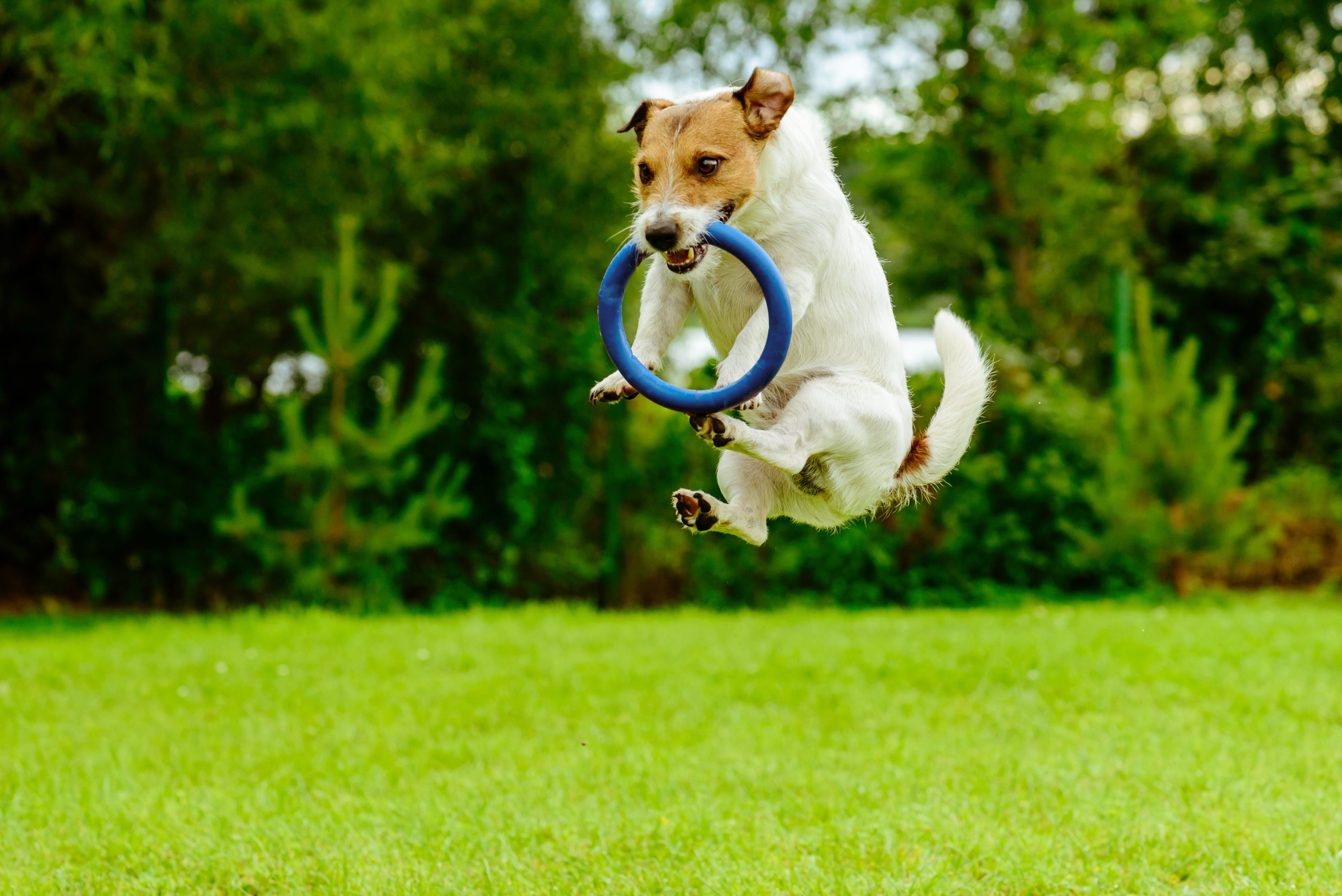
- Chasers and fetchers want something to run after. They’re driven by movement, and they lose interest the moment the toy stops. Rings, balls, and barbells work well here. The PitchDog Barbell is a good example – it’s light, easy for a dog to grip, and the shape keeps it rolling unpredictably, which holds a chaser’s attention. If you’re not sure whether your dog prefers a ring or a ball, we compared the two in Dog ring or ball? Which fetch toy wins?.
- Tuggers grab and pull. They need a toy with handles or length – something you can hold one end of while they work the other. Rope-based toys with a plush centre give these dogs both the resistance they want and the texture that keeps them coming back. We’ve covered what to look for in Tug toys that end fewer games badly.
- Shredders want to pull things apart. That’s not bad behaviour – it’s a natural play drive. If your dog shreds every soft toy within minutes, they need toys built for that purpose. Our guide to dog toys for dogs that shred plush covers what works and what doesn’t.
- Carriers and cuddlers are the quieter players. They want a toy they can pick up, carry around the house, and settle down with. Soft plush toys in familiar shapes suit these dogs well. You’ll often spot them sleeping with the toy nearby.
- Sniffers and problem-solvers don’t want to chase or tug. They want to work something out. Food-based enrichment toys – snuffle mats, lick mats, and puzzle feeders – let them use their nose and brain instead of their legs. If your dog perks up at mealtime but ignores everything else, this is likely their style.
If you’ve been buying the same type of toy and it keeps getting ignored, the toy isn’t the problem. The match is.

Toy fatigue is real
Even the right toy stops being interesting when it’s always available. Dogs respond to novelty. A toy that’s been sitting in the basket for three weeks is just part of the furniture.
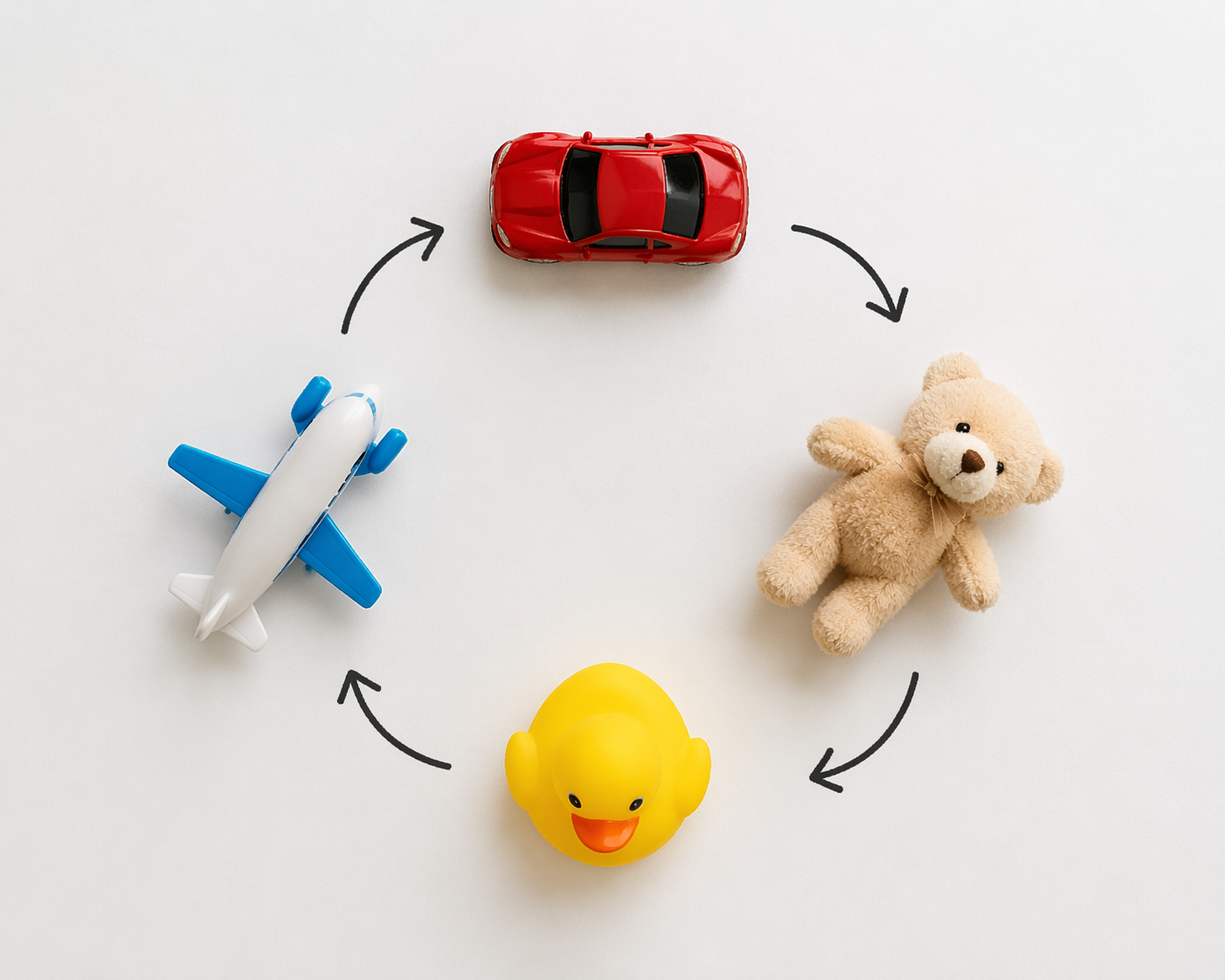
Toy rotation is the simplest fix:
- Keep three or four toys out at a time. Put the rest away somewhere your dog can’t see or smell them.
- Swap them every week. When the “old” toys come back out, they feel new again.
- You don’t need 20 toys. Five or six good ones, rotated regularly, will keep a dog more engaged than a full basket they’ve lost interest in.
Some dogs need to learn how to play
Not every dog grows up knowing what to do with a toy. Rescue dogs, older dogs, and dogs from quieter households may never have had the chance to learn. Karen and Joe, who own Belvedere’s, are rescue dog owners themselves. They see it regularly – a dog who watches other dogs play but doesn’t quite know how to join in.
If this sounds like your dog, start with food. Food-based toys have the lowest barrier to entry because the reward is built in. A snuffle mat with a few treats scattered through it gives a dog a reason to interact with an object. They’re not “playing” yet in the traditional sense – they’re working for food – but it teaches them that engaging with something leads to a good outcome.
From there, build gradually:
- Keep sessions short – two to three minutes is enough.
- Offer a toy, move it along the ground, and reward any interest.
- If your dog picks it up, nudges it, or even just sniffs it with intent, that’s progress.
- Don’t force it. A dog who’s pushed into play will retreat further. Patience matters more than enthusiasm here.
If your dog responds well to food-driven enrichment, a slow feeder bowl is a natural next step. We’ve covered how they work and why they help in. Is your dog vacuuming their food? Why you need a slow feeder.
When it’s not about the toy
If a dog who normally plays suddenly stops, pay attention. A loss of interest in toys can be an early sign that something physical is going on:
- Dental pain. A dog with a sore tooth or inflamed gums will avoid anything that involves biting or gripping.
- Joint pain or stiffness. Especially in older dogs, this can make chasing and fetching uncomfortable.
- General lethargy. Could point to an underlying illness or a dietary gap.
If your dog has lost interest in toys they used to enjoy, and nothing else about their routine has changed, a vet check is a good idea before you spend money on more toys.
Finding the right match
The fastest way to stop wasting money on toys your dog ignores is to spend five minutes watching how they interact with things around the house. Do they chase things that move? Grab and pull? Carry objects from room to room? Sniff and investigate? The answers point straight to the right toy category.
Browse the full toy range at the Belvedere’s online store, or visit the team at 93 Upper Heidelberg Road in Ivanhoe. They’ve been helping dog owners find the right match for over two decades – and they’ll tell you honestly if you don’t need another toy at all.