
Cat carriers: how to choose one your cat will tolerate
If your cat vanishes under the bed as soon as the carrier appears, the problem may not be stubbornness. Many cats dislike the carrier because it only comes out before a stressful trip, feels unstable, or is hard to enter without being pushed.
A good cat carrier should suit your cat’s size, temperament, and travel routine. Choose by entry style, ventilation, cleaning, stability, and the type of trip, not just by colour or shape. Belvedere’s Pet Supplies in Ivanhoe stocks pet carrier options through its Travel collection, with product choices that can be browsed online or checked in the shop at 93 Upper Heidelberg Road.
What makes a cat carrier easier to use?
A good cat carrier keeps the cat secure, gives enough airflow, allows calm handling, and can be cleaned after a stressful trip. Cats are not small dogs in this situation. They often need firm containment, a stable floor, and openings that let the owner or vet handle them with less wrestling.
When comparing carriers, look for:
- A base that stays flat when lifted.
- Mesh or ventilation panels on more than one side.
- A door or opening wide enough for the cat’s body.
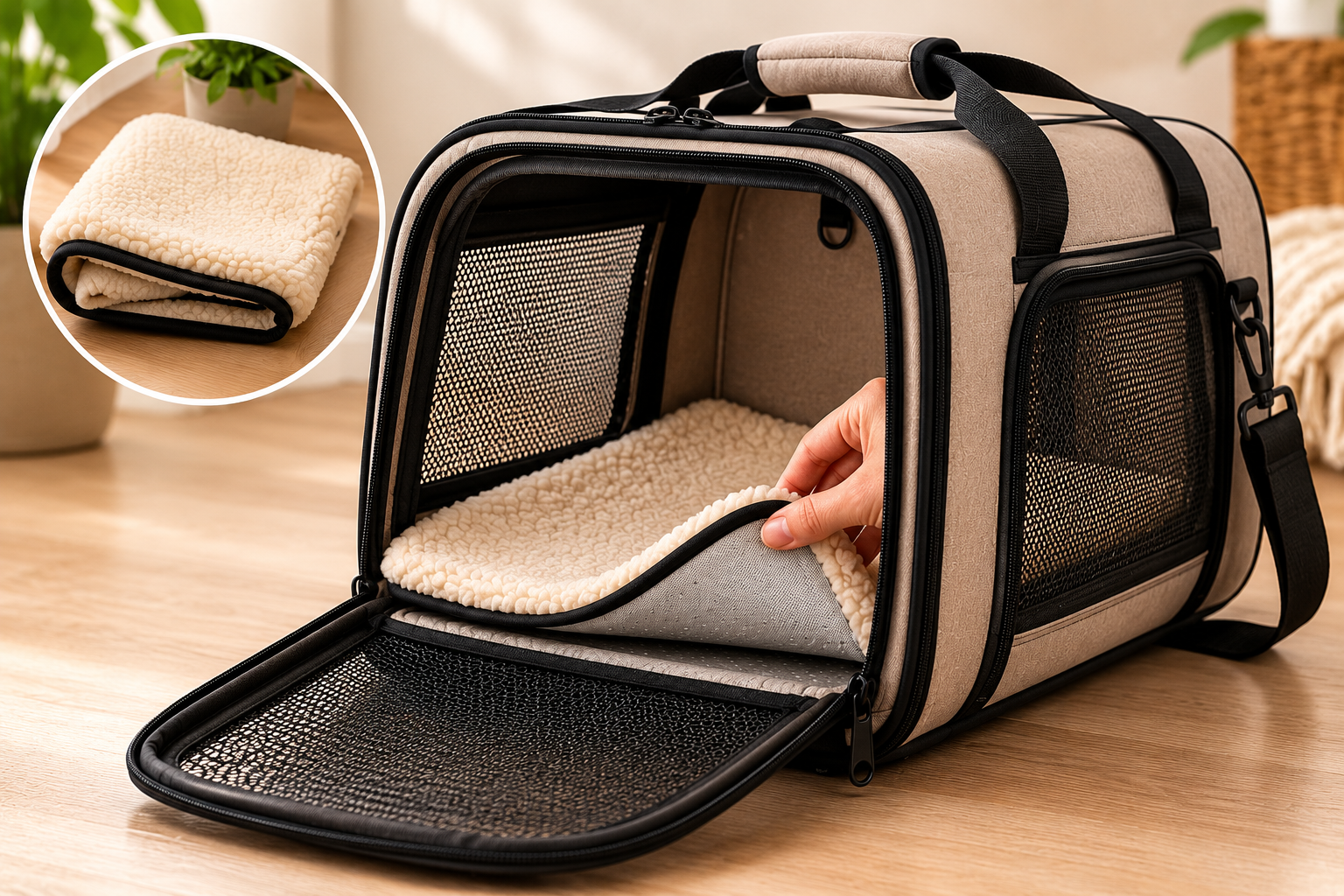
- A removable mat, pad, or washable surface.
- A secure zip, latch, or closure that a cat cannot push open.
- A shape that fits in the car without sliding around.
The easiest carrier is not always the softest carrier. Some cats like a softer bag because it feels less like a cage. Others push into flexible sides, scratch at mesh, or feel safer in a more structured carrier.
Soft carrier, rigid carrier, tote, sling, or backpack?
Different carrier styles suit different cats and trips. The right choice depends on whether the carrier is mainly for vet visits, short local errands, public transport, car travel, or storage between uses.
| Carrier style | Best use | Limitations | What to check before buying |
|---|---|---|---|
| Soft carrier | Short vet trips, cats that settle once enclosed, owners who need a lighter carrier | May sag if the base is weak; mesh can be damaged by clawing | Stable base, strong zips, ventilation, washable pad |
| Rigid carrier | Nervous cats, car travel, cats that scratch or push at fabric | Bulkier to store and can feel more confronting at home | Secure door, top access, easy cleaning, no sharp interior edges |
| Tote-style carrier | Calm cats, short controlled trips, discreet carrying | Not ideal for cats that jump, twist, or fight containment | Wide opening, secure closure, safety tether, weight limit |
| Sling | Very small, calm cats that tolerate body contact | Not a substitute for a secure vet carrier for many cats | Cat suitability, weight limit, safety hook, whether the cat can climb out |
| Backpack | Owners who need hands-free carrying and a structured bag | Can feel unstable for nervous cats; some cats dislike being carried high | Ventilation on several sides, firm base, multiple openings, stock status |
A cat backpack carrier can be useful for the right cat, but it should not be bought just because it looks convenient. A cat carry backpack still needs airflow, enough internal room, and a secure base. If the cat panics when lifted or hates movement behind your back, a shoulder carrier or front-access carrier may be easier to manage.
How big should a cat carrier be?
A cat carrier should let your cat turn around and settle, but it should not be so large that the cat slides from side to side in the car. A carrier that is too tight can make loading harder. A carrier that is too large can feel unstable once it is lifted.
Measure your cat from the chest to the base of the tail, then check the product’s internal length where available. For height, the cat should be able to sit or crouch naturally without being pressed flat against the top.
Use this as a practical guide:
| Cat type | What to allow for |
|---|---|
| Kitten | Do not buy only for today’s size. Choose a carrier with enough room to grow, but keep the base stable. |
| Large cat | Check the weight limit and the internal width, not just the outside dimensions. |
| Senior cat | Prioritise easy entry, a non-slip base, and room for a soft pad. |
| Nervous cat | Avoid a bag with too many exposed openings if visibility increases stress. |
| Cat with bedding | Cat with bedding |
Weight limits matter, but they do not tell the whole story. A long, lean cat and a compact cat may weigh the same but fit very differently inside a travel bag.
Entry style matters more than many owners think
Entry style is one of the biggest reasons one cat carrier works and another becomes a fight. A narrow side door can be fine for a relaxed cat, but difficult for a cat that plants its legs, twists, or backs away.
Top openings can help because the cat can be lowered into the carrier rather than pushed from behind. Wide side openings can also work well, especially if the carrier has a firm base and does not collapse around the cat. Some collapsible carriers allow front, side, and top access, which gives the owner more than one option.
For vet visits, a carrier that allows calm lifting or partial access can be useful. It does not fix anxiety, but it can reduce the amount of handling needed once the cat is already stressed.
Making vet trips less stressful
A cat vet carrier becomes easier to use when it is not treated as a once-a-year trap. Leave the carrier out for several days before an appointment, with the door or flap open. Put a familiar towel, small blanket, or soft mat inside so the carrier smells less strange.
Before the trip:
- Place the carrier on a stable surface before loading your cat.
- Add a familiar towel, but do not overfill the carrier.
- Close every zip, latch, and flap before lifting.
- Carry the carrier from underneath where possible, not just by the strap.
- Place it securely in the car so it cannot slide or tip.
Avoid surprising the cat with the carrier at the last minute. If every carrier appearance is followed by panic, the cat learns the pattern quickly.
This article gives product selection advice only. Speak with a vet if your cat has severe travel stress, vomiting, panting, sudden behaviour change, or if you are considering sedation for travel.
Choosing from Belvedere's Travel collection
Belvedere’s Travel collection is the best commercial link for this article because it holds the pet carrier, tote, sling, and backpack products. The Cat collection can also be used for cat-specific browsing, but the carrier links should point to the individual Travel products where the product is named.
| Use case | Product link for the developer | Why it fits the article |
|---|---|---|
| Calm cat, short vet trip, tote-style carrier | Ibiyaya Pet Tote Bag | Wide top opening, ventilation holes, mesh opening flap, removable pad, safety tether, and stated suitability for cats and small dogs. |
| Compact carrier with structured access | Ibiyaya Collapsible Travelling Pet Carrier – Pink Sunset or Stardust | Front and top access, side opening options, EVA hard-shell structure, ventilation slots, and removable washable mat. |
| Small cat, light short trip, sling only if suitable | Tailup Pet Sling Medium | Product page states cats, puppies, and small dogs up to 3.5kg, with a safety hook inside. Use cautiously, not as the main vet-carrier recommendation. |
| Hands-free backpack style, subject to stock | WAUDOG Relax Eco Carrying Backpack for Small Dogs and Cats – 40cm | Product page states dogs and cats up to 8kg, four mesh sides, several openings, sturdy bottom, and safety rope. Recheck stock before using as a live product recommendation. |
The safest editorial approach is to link named products directly, then link the broader Travel collection for readers who want to compare current stock. Product stock and prices should be checked on the day the article is published.
Cat carrier FAQs
What size cat carrier should I buy?
Buy a cat carrier that lets your cat turn around and settle without giving so much space that the cat slides around. Check both the weight limit and the internal dimensions. Large cats need width and length, not just a higher weight rating.
Is a soft cat carrier better than a hard carrier?
A soft cat carrier can be easier to carry and store, but it is not automatically better. A hard or structured carrier may suit nervous cats, strong cats, or cats that scratch at mesh. The better choice is the one that stays stable and secure for your cat.
Are cat backpacks a good idea?
Cat backpacks can work for calm cats that tolerate movement and being carried upright. They are not ideal for every cat. Check ventilation, base firmness, weight limit, and openings before buying a cat backpack carrier.
How do I get my cat used to a carrier?
Leave the carrier out at home, place familiar bedding inside, and let the cat investigate it before travel day. Do not make the carrier appear only when a stressful vet trip is about to happen.
Can I use a dog carrier for a cat?
You can use a pet carrier marketed for small dogs if the size, ventilation, closure, and stability suit a cat. Do not assume a sling or tote is suitable just because the weight limit matches. Cats need secure containment.
What should I put inside a cat carrier?
Use a thin towel, small blanket, or removable pad that gives grip and familiar scent. Avoid overfilling the carrier because airflow and space still matter.
Should I leave the carrier out at home?
Leaving the carrier out can help some cats stop seeing it as a warning sign. Keep it open, add familiar bedding, and let the cat approach it without being forced inside.
Final takeaways
The best cat carrier is the one your cat can enter, sit in, breathe in, and travel in without the carrier making the trip harder. Start with size and stability, then compare openings, cleaning, airflow, and how the carrier will be used.
Browse the Travel collection online, or visit Belvedere’s Pet Supplies at 93 Upper Heidelberg Road, Ivanhoe VIC 3079 with your cat’s approximate weight and body length. Those two measurements make it much easier to choose a pet carrier that fits the trip, not just the shelf.